
Not every surface in your home should get a fresh coat of paint. If you’re planning an interior house painting project in Berkeley, knowing what not to paint in your house can save you time, money, and a lot of frustration. There are several things you should never paint indoors—and ignoring this advice often leads to peeling, damage, or costly repairs down the road.

Key Takeaways

  • Some surfaces are designed to stay paint-free for safety and function.

  • Painting the wrong materials can void warranties and cause permanent damage.

  • A professional house painter can help you identify surfaces you shouldn’t paint.

  • Many interior painting mistakes to avoid come from painting items that perform better unpainted.

  • Knowing what to leave unpainted in your home protects your investment.

Why Some Surfaces Should Stay Unpainted

Your Berkeley home has many surfaces that look like they could use a coat of paint. But looks can be deceiving. Some materials are engineered to work without paint. Others will reject paint entirely, leaving you with a bubbling, peeling mess within months.
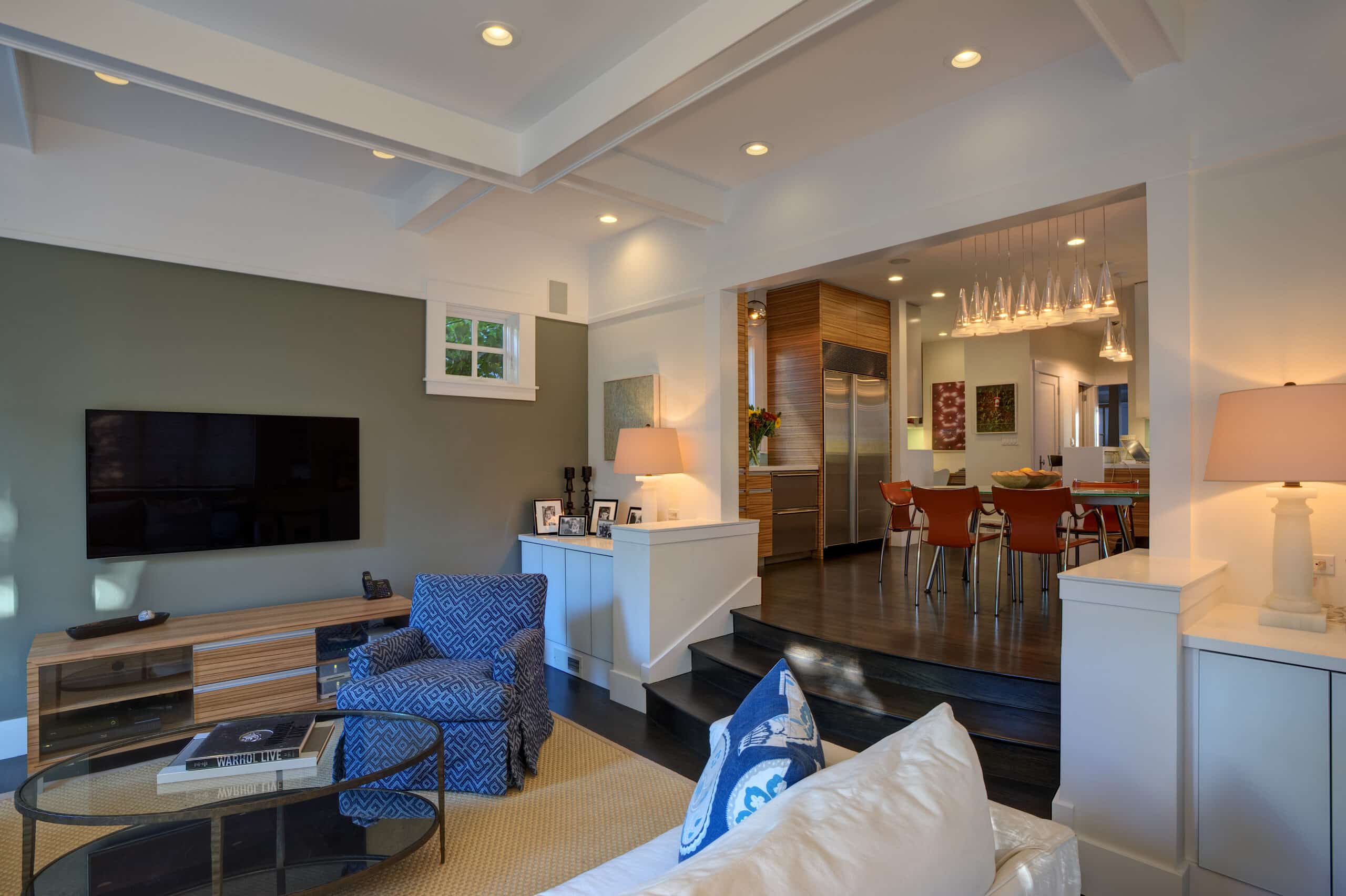
What Not to Paint in Your House

When homeowners tackle interior house painting without this knowledge, they often make expensive mistakes. The truth is, certain things you should never paint indoors exist for good reason. Paint can block ventilation, create fire hazards, or simply refuse to adhere properly.

A professional house painter sees these situations daily. They know which surfaces you shouldn’t paint because they’ve witnessed the aftermath of well-meaning DIY projects gone wrong.

10 Things You Should Never Paint Indoors

Here’s what not to paint in your house, no matter how tempting it might be:
  • Electrical Outlets and Cover Plates

    Paint on electrical outlets creates a serious safety hazard. It can prevent proper grounding and make it difficult to plug in devices. Even painting cover plates can cause paint to seep into the outlet itself. This is one of the most common interior painting mistakes to avoid.

  • Hinges and Door Hardware

    Hinges need to move freely. Paint gums them up, causing doors to stick and squeak. The same applies to doorknobs, locks, and strike plates. What to leave unpainted in your home includes all functional hardware—remove it before painting or mask it carefully.

  • Heating and Cooling Vents

    Your HVAC system needs unrestricted airflow. Painting vents—especially with thick coats—reduces efficiency and can cause your system to work harder. These are surfaces you shouldn’t paint if you want your heating and cooling to function properly.

  • Window Tracks and Mechanisms

    Paint in window tracks prevents windows from opening and closing smoothly. It can also permanently seal a window shut, which is both inconvenient and dangerous during emergencies. A professional house painter will always protect these areas.

  • Vinyl and Aluminum Window Frames

    Modern vinyl and aluminum windows are designed to be maintenance-free. Painting them often voids the manufacturer’s warranty. The paint also tends to peel because these materials expand and contract with temperature changes. This is a major item on the list of things you should never paint indoors.

  • Smoke Detectors and Carbon Monoxide Alarms

    Never paint over safety devices. Paint can block the sensors, rendering these life-saving devices useless. During interior house painting, remove these units or cover them completely.

  • Exposed Brick (Sometimes)

    Many Berkeley homes feature beautiful exposed brick. While painting brick is possible, it’s often irreversible. Once painted, brick loses its ability to breathe, which can trap moisture and cause deterioration. Consider what to leave unpainted in your home before covering this character feature.

  • Garage Door Springs and Mechanisms

    If you’re extending your interior house painting project to the garage, avoid the springs and mechanical parts. Paint interferes with their operation and can mask signs of wear that indicate needed repairs.

  • Wooden Elements You Want to Stain Later

    Paint and stain don’t mix. If there’s any chance you’ll want to show off natural wood grain later, don’t paint it now. This is one of the interior painting mistakes to avoid that has no easy fix—stripping paint from wood is labor-intensive and often damages the surface.

  • Thermostat Housings

    Paint on thermostats can affect their sensors, causing incorrect temperature readings. This leads to uncomfortable rooms and wasted energy. What not to paint in your house includes any device with sensors or digital components.

things you should never paint indoors

How a Professional House Painter Handles These Surfaces

When you hire a professional house painter for your Berkeley home, they come prepared. They’ll mask hardware, remove cover plates, and protect surfaces you shouldn’t paint. This attention to detail is part of why professional results last longer.

Experienced painters also know the local considerations for Berkeley homes. Many properties here have historic details, original hardwood, and period-specific features worth preserving. A professional house painter can advise you on what to leave unpainted in your home based on your specific situation.

Common Interior Painting Mistakes to Avoid

Beyond the surfaces listed above, here are habits that lead to problems:

  • Skipping prep work causes paint to fail faster. Surfaces need cleaning and priming before interior house painting begins.

  • Using the wrong paint type for specific rooms leads to peeling in bathrooms and kitchens where moisture is high.

  • Not checking for lead paint in older Berkeley homes can expose your family to health risks. Homes built before 1978 require testing.

These interior painting mistakes to avoid apply whether you’re doing the work yourself or hiring help. But a professional house painter already knows to watch for these issues.

Protecting Your Berkeley Home’s Value

Knowing what not to paint in your house is about more than avoiding mistakes. It’s about protecting your investment. Painted-over hinges, sealed windows, and compromised safety devices all reduce your home’s value and appeal.

Berkeley buyers appreciate homes with proper maintenance and attention to detail. Things you should never paint indoors, when left properly unpainted, show that a home has been cared for correctly.

When to Call the Professionals

If you’re unsure about surfaces you shouldn’t paint, ask before you start. A quick consultation with a professional house painter can prevent costly errors.

Interior house painting should improve your home, not create new problems. The goal is beautiful walls and trim—not painted outlets, stuck windows, or voided warranties.

Ready to get your interior house painting project done right? Arana Craftsman Painters helps Berkeley homeowners avoid common mistakes while achieving stunning results. Our team knows exactly what to leave unpainted in your home and how to protect every surface that matters.


Call 510-405-3279 today for a free consultation. Let’s talk about your project and make sure things you should never paint indoors stay protected while your walls get the beautiful finish they deserve.