
Paint protects your home. It also affects the air inside your house and the environment outside of it.
That is why more homeowners are paying attention to sustainable painting practices. These methods focus on safer materials, longer-lasting coatings, and smarter ways to handle products like primer, acrylic paint, and surface preparation.
A sustainable approach does not mean sacrificing durability. In fact, many of the best modern coatings perform better than older formulas. The result is a finish that lasts longer and reduces the need for frequent repainting.
Key Takeaways:
What Sustainable Painting Practices Actually Mean
The term sustainable painting practices gets used a lot today. At its core, it simply means painting in a way that reduces environmental impact while still protecting your home.
Paint products have changed quite a bit over the past couple decades. Many modern coatings use water based formulas with lower levels of volatile organic compounds. These VOCs are chemicals that release into the air while paint dries.
Reducing those emissions improves indoor air quality and creates a safer environment during and after a house painting project.
Sustainability also involves durability. A paint system that lasts longer means fewer gallons of paint, fewer primers, and less waste over time.
Low VOC Paint And Modern Acrylic Coatings
One of the biggest improvements in the paint industry has been the shift toward low VOC coatings.
Older paints often released strong fumes because of higher chemical content. Today, many manufacturers produce acrylic paint and latex coatings with far lower VOC levels.
These products offer several benefits.
- Less odor during application
- Improved indoor air quality
- Durable finishes that resist mildew and moisture
- Easier cleanup using water instead of harsh solvents
Many homeowners are surprised to learn that these coatings still deliver excellent durability. In many cases, they outperform older oil-based paints.
These products also work well across many surfaces, including wood siding, drywall, masonry, and even some metal components.
Why Surface Preparation Matters More Than People Think
One of the most overlooked parts of sustainable painting practices is preparation.
If the surface is not prepared properly, paint will fail sooner. That means another repaint much earlier than expected.
Professional painters spend a lot of time preparing surfaces before a single coat of paint goes on.
This often includes:
- Cleaning surfaces with water to remove dirt and mildew
- Scraping loose paint and sanding with sandpaper
- Filling cracks with caulk or patching compounds
- Applying the correct primer for adhesion
Primer plays a major role here. It helps paint bond to surfaces like wood, drywall, stucco, or concrete.
Without it, paint may peel or fade faster. A properly prepared surface helps every coat perform the way it should.
Choosing Durable Paint Systems
Not all paint performs the same. Some coatings last several years longer than others depending on the surface and environment.
One of the smartest sustainable decisions is simply choosing a higher-quality paint system.
Better coatings provide:
- Strong adhesion to surfaces like siding, brick, and masonry
- Resistance to moisture and mildew
- Protection from sun exposure and fading
- Better coverage with fewer coats
For example, exterior surfaces such as stucco, brick, and concrete require coatings designed for those materials. Using the wrong type of paint often leads to early failure. That means more materials, more labor, and more environmental impact over time.
Responsible Paint Use And Waste Reduction
Another part of sustainable painting practices involves how paint products are handled during a project.
Professional painters focus on minimizing waste whenever possible. This includes careful planning and measuring before starting the work.
Typical waste reduction steps include:
- Estimating paint quantities accurately
- Applying consistent coats to prevent overuse
- Limiting overspray when spraying surfaces
- Proper storage of unused paint
Responsible handling also applies to cleanup.
Water-based coatings allow tools like brushes and rollers to be cleaned with water instead of strong chemical solvents. That simple shift reduces the amount of harsh cleaning products used during a project.
Environmentally Friendly Materials And Modern Paint Technology
Paint technology has improved a lot in recent years.
Manufacturers now produce coatings that balance durability with lower environmental impact.
These products often include:
- Low-emission acrylic paint formulas
- Mildew-resistant coatings that reduce maintenance
- Paint systems designed for long repaint cycles
- Packaging that reduces material waste
Even primers have improved.
Many modern primers provide strong adhesion on surfaces like metal, wood, drywall, and masonry without relying on high solvent content. That allows painters to maintain durability while still following sustainable painting practices.
How Professional Painters Apply Sustainable Painting Practices
Sustainability does not happen by accident. It requires careful planning and experienced crews who understand how different products perform on different surfaces.
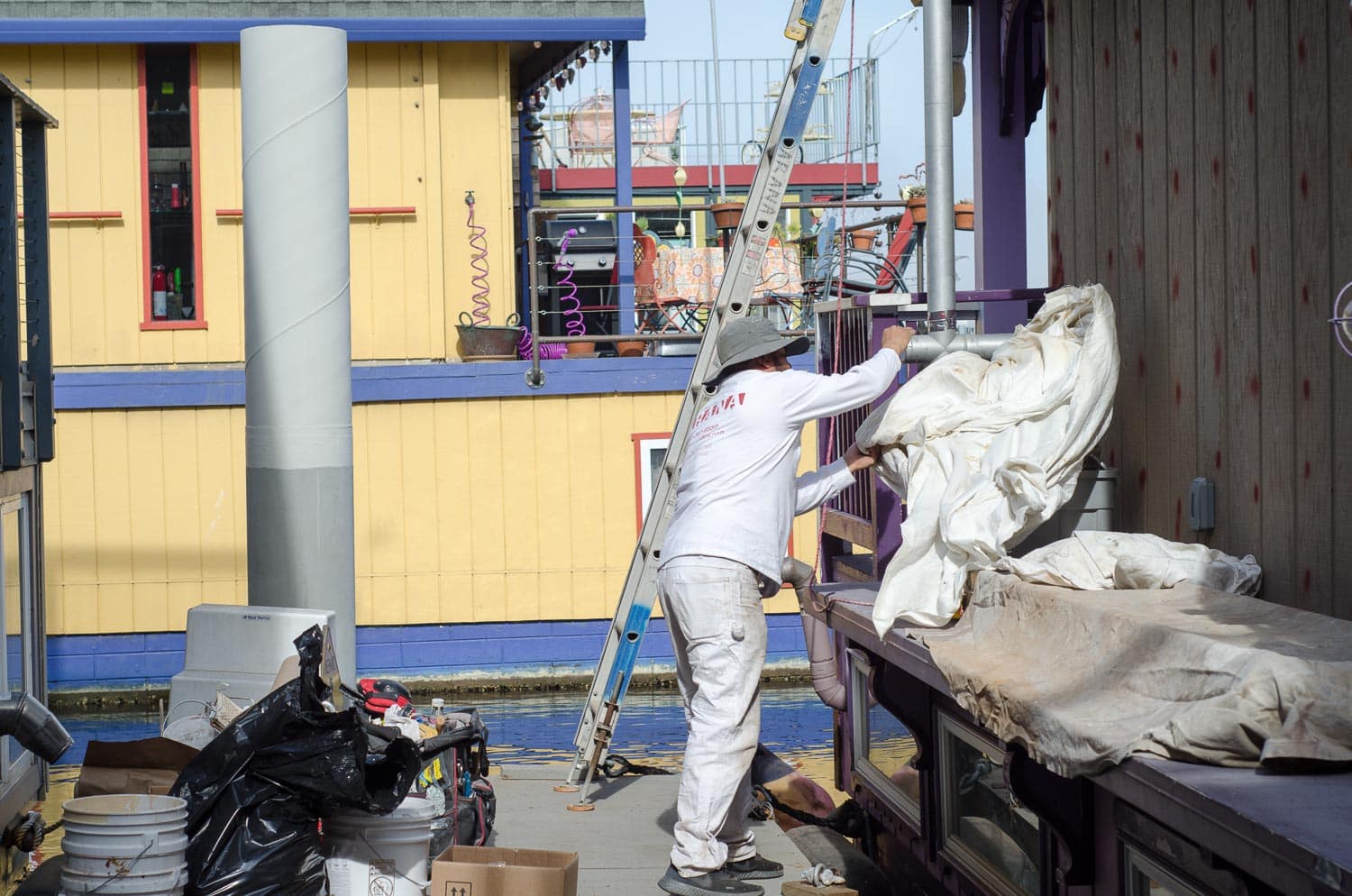
At Arana Craftsman Painters, sustainable painting practices guide how every project is handled.
Our approach focuses on long-lasting coatings, careful preparation, and responsible product use.
Here is a quick look at how that process works.
- Surface cleaning removes dust, mildew, and debris that can affect adhesion
- Sanding and preparation help coatings bond properly to wood, stucco, brick, or drywall
- High-quality primers are used to support the final paint system
- Durable acrylic paint systems are applied with even coats for consistent coverage
- Cleanup and product handling reduce leftover materials and waste
This process helps create finishes that last longer while reducing the number of repaint cycles over time.
If you are planning a painting project and want a finish that lasts, our team is here to help. Call us at 510-405-3279 for a FREE estimate.