
Walk around your San Leandro home after a wet winter and you might notice it is finally time to paint your gutters: a chalky finish, faded color, maybe a rust tinge near the seams. If you have been putting it off while wondering how to paint gutters correctly, the short answer is that getting the prep right matters far more than the paint color you choose.
A properly done gutter paint job in the Bay Area can protect your system for years, while a rushed one peels by the next rainy season. This post covers what separates those two outcomes, including what to check before you paint, what products hold up in our coastal climate, and how to tell whether a job was done right.
Key Takeaways
- Prep, meaning cleaning, sanding, and priming, determines how long any gutter paint job lasts.
- The right paint depends on your gutter material, since aluminum, vinyl, and galvanized steel each need different products.
- Bay Area fog and coastal moisture speed up paint wear, so choosing the wrong product costs you years of life.
- Gutters with cracks, persistent leaks, or structural rust should be replaced, not painted over.
- Semi-gloss or satin finishes resist dirt better outdoors and hold up longer than flat paint.
- Multi-story homes and complex systems are safer and smarter with a professional exterior painter.
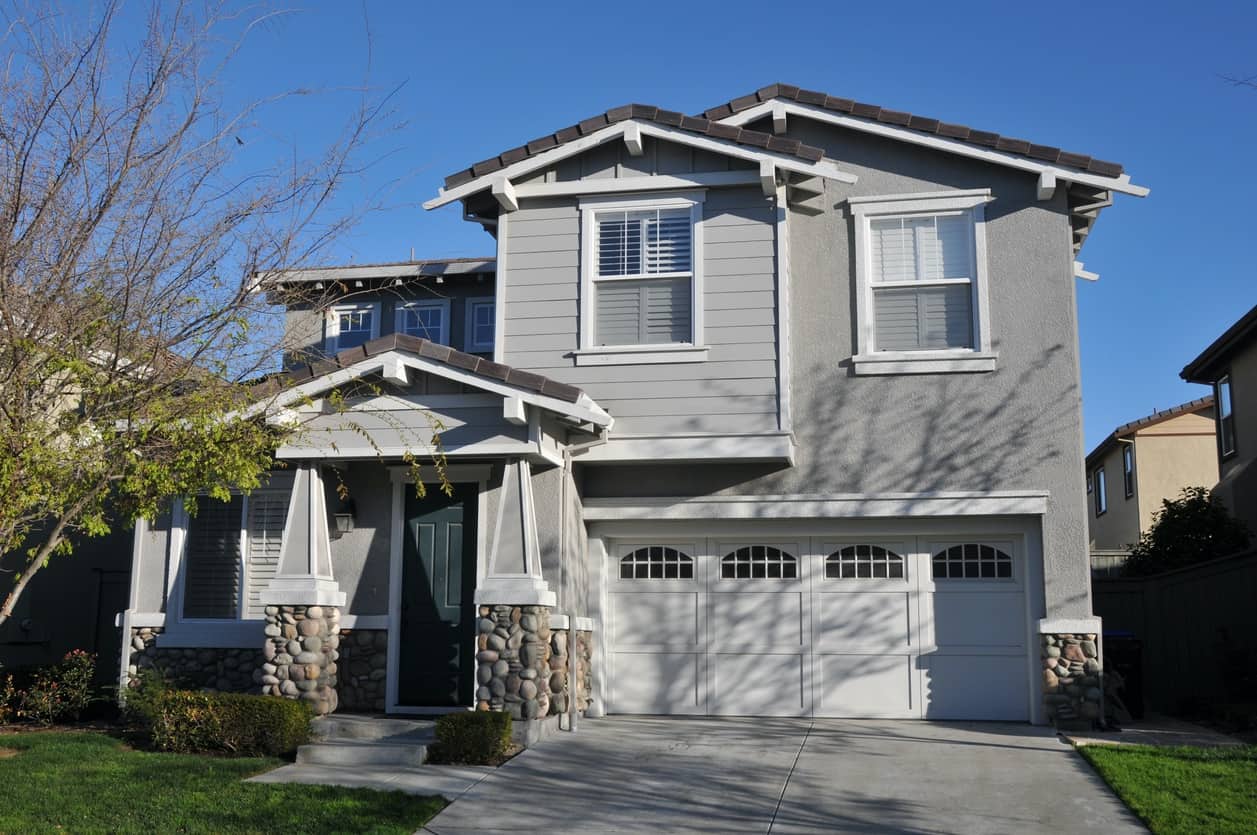
First: Should These Gutters Be Painted at All?
Before you think about how to paint gutters, the first question is whether they should be painted at all, so check their actual condition.
Painting is the right call when gutters are structurally sound but show cosmetic issues like fading, peeling paint, or minor surface rust. Good candidates have peeling or fading paint that has not affected the gutter’s integrity, small surface rust patches that can be sanded down, and no active leaks or holes.
Replace rather than paint when you are looking at extensive damage or functional failure: gutters that leak, sag, crack, or show advanced rust. Painting over those problems just covers them temporarily while water keeps causing damage underneath.
Climate also affects the paint-or-replace decision. In humid or coastal areas, gutters are more prone to rust and corrosion, which makes replacement with rust-proof materials the better choice in severe cases. If you are not sure which category your gutters fall into, a professional exterior painter can give you a straight answer during an estimate.
How to Paint Gutters: What a Quality Process Looks Like
This is where most DIY gutter paint jobs come up short. Learning how to paint gutters well means accepting that the application is only the final step, and everything before it determines whether the paint holds for years or starts peeling within the first season.
Step 1: Clean Thoroughly
New paint and primer will not stick to dirt and grime. Clear any debris from inside the channel first, including leaves and twigs, then rinse the inside with a hose and scrub the exterior with soap and water.
If you find mold or mildew, deal with it before moving on, using a mold retardant to remove it. Mildew left under a coat of paint will bleed through and pull the paint away from the surface.
Allow the gutters to dry for 4 to 6 hours after cleaning. In Bay Area coastal conditions, shaded or north-facing sections may need longer.
Step 2: Sand the Surface
Lightly sand metal gutters for better primer and paint adhesion. Aluminum oxide or silicon carbide sandpaper in a medium to fine grit, 80 to 120, works best, giving the primer something to grip instead of a smooth, slick surface.
For gutters with peeling paint, start with a plastic putty knife and scrape off the old paint by running it firmly along the gutter.
Galvanized steel needs extra attention. Its zinc coating is naturally slick and repels paint rather than bonding with it, so etching chemically alters the surface to create microscopic grooves that mechanical cleaning alone cannot achieve. If you have galvanized gutters, confirm with your paint supplier which primer handles that surface, then wipe down the gutters to remove dust before priming.
Step 3: Apply Primer, This Step Is Not Optional
Prime the gutters with a primer suited to your gutter material. You cannot paint without a coat of primer, since it prepares the surface to accept paint, improves adhesion, and prevents damage.
Choose your primer based on what your gutters are made of:
- Aluminum gutters: use a clear acrylic bonding primer, available at any major hardware retailer.
- Galvanized steel: apply a high-quality rust-inhibiting primer designed for galvanized metal, followed by a topcoat of exterior paint suitable for metal.
- Vinyl gutters: use a latex bonding primer rated for plastic or glossy surfaces.
Apply an even coat and wait a full 48 hours before the next step, since primer enhances durability and sets up a smooth topcoat. Timing matters here: work on a dry, overcast day with mild temperatures so the paint does not dry too fast or unevenly, and skip a foggy morning when the gutters are still damp from overnight moisture.
Step 4: Paint Gutters with the Correct Product
Once the primer is fully cured, you are ready to paint. Picking the wrong paint for your gutter material here is one of the most common reasons jobs fail, even when the prep was done well:
- Aluminum gutters: use a high-quality 100% acrylic paint without ammonia, since ammonia can react with aluminum.
- Vinyl gutters: use an exterior acrylic latex paint formulated to adhere to vinyl or plastic, which stays flexible enough to handle temperature-driven expansion and contraction without cracking or peeling.
- Galvanized steel: apply an oil-based metal primer followed by an exterior-grade enamel or acrylic paint.
For the finish, semi-gloss or satin works best outdoors because it resists dirt and cleans easily. Apply thin coats rather than one heavy coat to reduce drips and improve adhesion, putting on two coats and waiting at least 4 to 6 hours, or 24 hours for oil-based paint, before the second.
Step 5: Inspect and Touch Up
Once the second coat is dry, check for drips, missed spots, or uneven seams, and touch up as needed. Pay close attention to seams, corners, and the areas behind gutter braces where a brush may not have reached cleanly.
Choosing the Right Color for San Leandro Homes
Color matters beyond curb appeal in coastal conditions. Chalking, a white powdery oxidation, can develop on lighter aluminum finishes over time, especially on south-facing elevations with heavy UV, and coastal fog combined with salt air along the Alameda, Richmond, and Berkeley waterfronts slightly accelerates it on lighter colors.
In a coastal zone, charcoal or bronze will hold their appearance longer than white or almond. That does not mean light colors are off the table, only that they will need attention sooner.
The most cohesive approach is to match gutters to your fascia or trim so they form a clean line along the roofline. If you are refreshing your exterior color scheme, include the gutters in that conversation before the painters leave, since matching wet-to-wet is far easier than replicating a color months later.
How Often Do Bay Area Gutters Need to Be Repainted?
On average, gutters should be repainted every 5 to 10 years, depending on sun exposure, weather, and paint quality. In areas with more moisture and temperature variation, that can drop to every 3 to 5 years, since both temperature and precipitation swings accelerate wear.
Watch for fading, chipping, chalky residue, or visible rust before those signs get worse. In our area, catching them early, before moisture gets under the surface, keeps a simple paint refresh from turning into a gutter replacement conversation.
For habits that stretch any exterior coating’s life in this climate, our post on how to make exterior paint last longer covers the specifics.
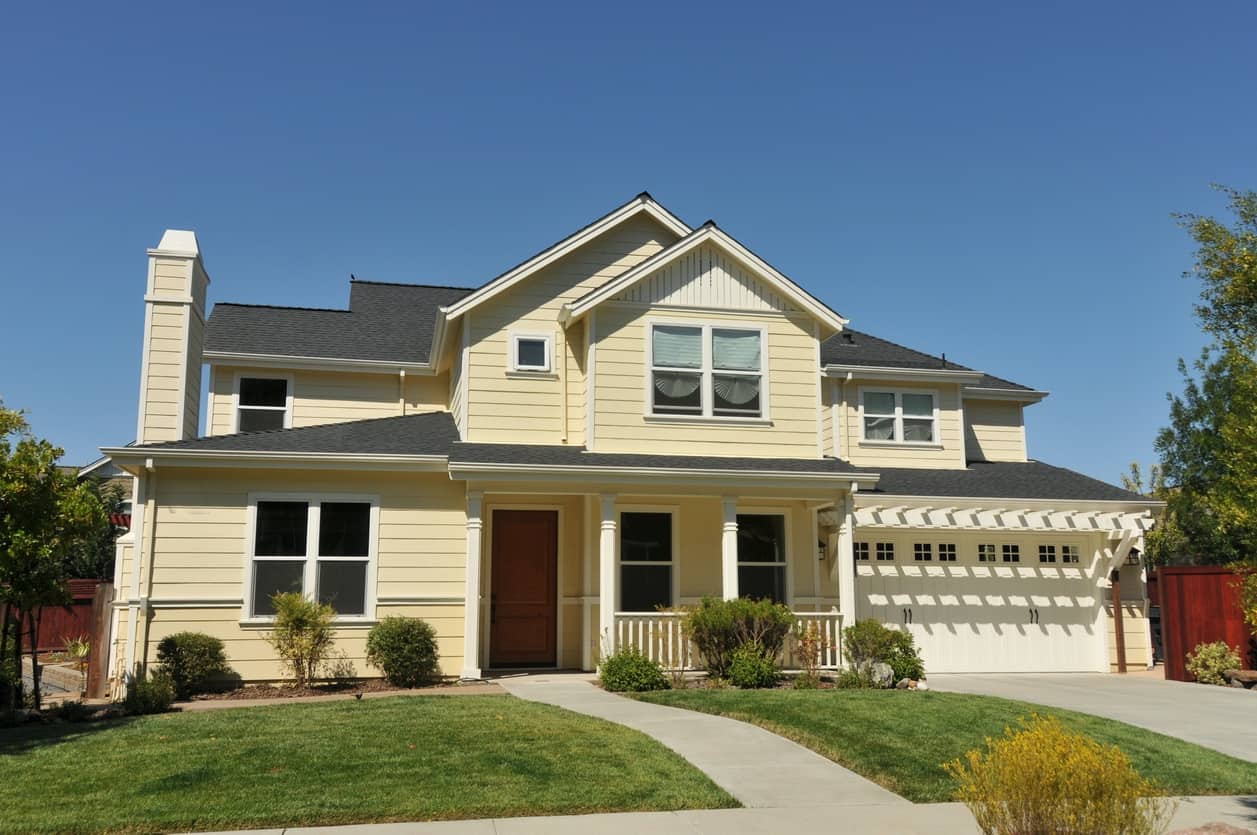
DIY or Hire a Pro? An Honest Comparison
Knowing how to paint gutters is one thing, and doing it safely at height is another. Painting gutters on a single-story home with good ladder access is a manageable DIY project if you are comfortable working at height and willing to be thorough with prep, since the process is not complex but the thoroughness is what makes the difference.
For two-story homes, steep rooflines, or areas near electrical lines, the risk picture changes. Working at heights can be dangerous, so always practice good ladder safety and ideally work with a partner who can spot you. OSHA’s ladder safety requirements are worth reviewing before any elevated exterior project.
Beyond safety, the practical difference between DIY and professional results usually comes down to prep time. A professional painter will be more thorough with cleaning, scraping, and priming, because that is where the longevity lives, and if your gutters are structurally sound but worn, painting is a far more budget-friendly solution than full replacement, but only if it is done right.
If you are already planning an exterior painting project, whether new trim, fresh fascia, or a full repaint, rolling the gutters into it is the most efficient approach. The ladder is already set up, the color matching happens in real time, and the whole exterior gets handled in one pass. Our post on what affects exterior painting cost before you get a quote is worth reading before you call anyone.
What Bay Area Climate Does to Gutter Paint
San Leandro sits squarely in the East Bay coastal zone. The mix of coastal fog, marine layer moisture, and the age of many East Bay homes makes proper priming especially important, since surfaces here cycle through more moisture than drier parts of California, and the combination of moisture, salt air, and strong sun can deteriorate paint faster.
This is why primer choice and product ratings for coastal conditions are not just fine print. Proper surface preparation is critical for adhesion and longevity, and skipping it often produces peeling, bubbling, or flaking paint within months, wasting time and materials.
For more on why exterior paint behaves differently in this climate and what holds up, our post on why exterior trim paint keeps failing covers the specific dynamics at work.
What a Quality Gutter Paint Job Actually Looks Like
Whether you are evaluating your own work or checking what a contractor delivered, a well-done gutter paint job has specific markers:
- Even, consistent coverage across all sides, including the front face, bottom, and any visible interior.
- No drips or runs on the gutter exterior or on the fascia board below.
- Seams and corners fully covered, not skimped because they were hard to reach.
- Uniform color with no thin spots or variation between sections.
- No paint lifting at edges where old paint meets new, which signals poor adhesion.
- Clean lines where gutters meet the fascia, with no overspray on adjacent siding or trim.
A job done without primer, or applied over wet or dirty surfaces, will usually show problems before the end of the first year, whether bubbling at seams, lifting edges, or paint that chalks out far faster than it should. Our overview of exterior residential painting covers what to expect from a full exterior project in this climate.
Ready to Paint Gutters the Right Way?
If your San Leandro home’s gutters are showing their age, faded, chalky, or lightly rusted, a properly prepared paint job can sharpen the whole exterior and add years of protection before replacement becomes a real conversation. Doing it right is less about the color and more about the prep, which is the whole point of learning how to paint gutters properly in the first place.
Arana Craftsman Painters serves San Leandro, Oakland, Berkeley, Alameda, Lafayette, and communities throughout the Bay Area with exterior house painting that treats gutters, fascia, and trim as part of the job, not an afterthought. Owner Catherine Baldi leads a family-operated team recognized on Nextdoor and Houzz for the care that goes into every exterior project, and every project is backed by a 5-year warranty on paint film.
You can work with a local exterior painting team that knows what Bay Area conditions do to a finish. Call 510-405-3279 for a FREE estimate today.