
You pick a color. It looks perfect on the paint chip. Then the wall gets painted and suddenly it looks… different.
This is one of the most common questions people ask during a painting project: does paint dry darker or lighter?
The short answer is that paint usually dries slightly darker than it appears when it is first applied. But that is not the whole story. Lighting, primer, surface texture, and even the type of paint all affect how the final color looks once it dries.
Understanding how paint behaves while drying helps avoid surprises once the project is finished.
Key Takeaways:
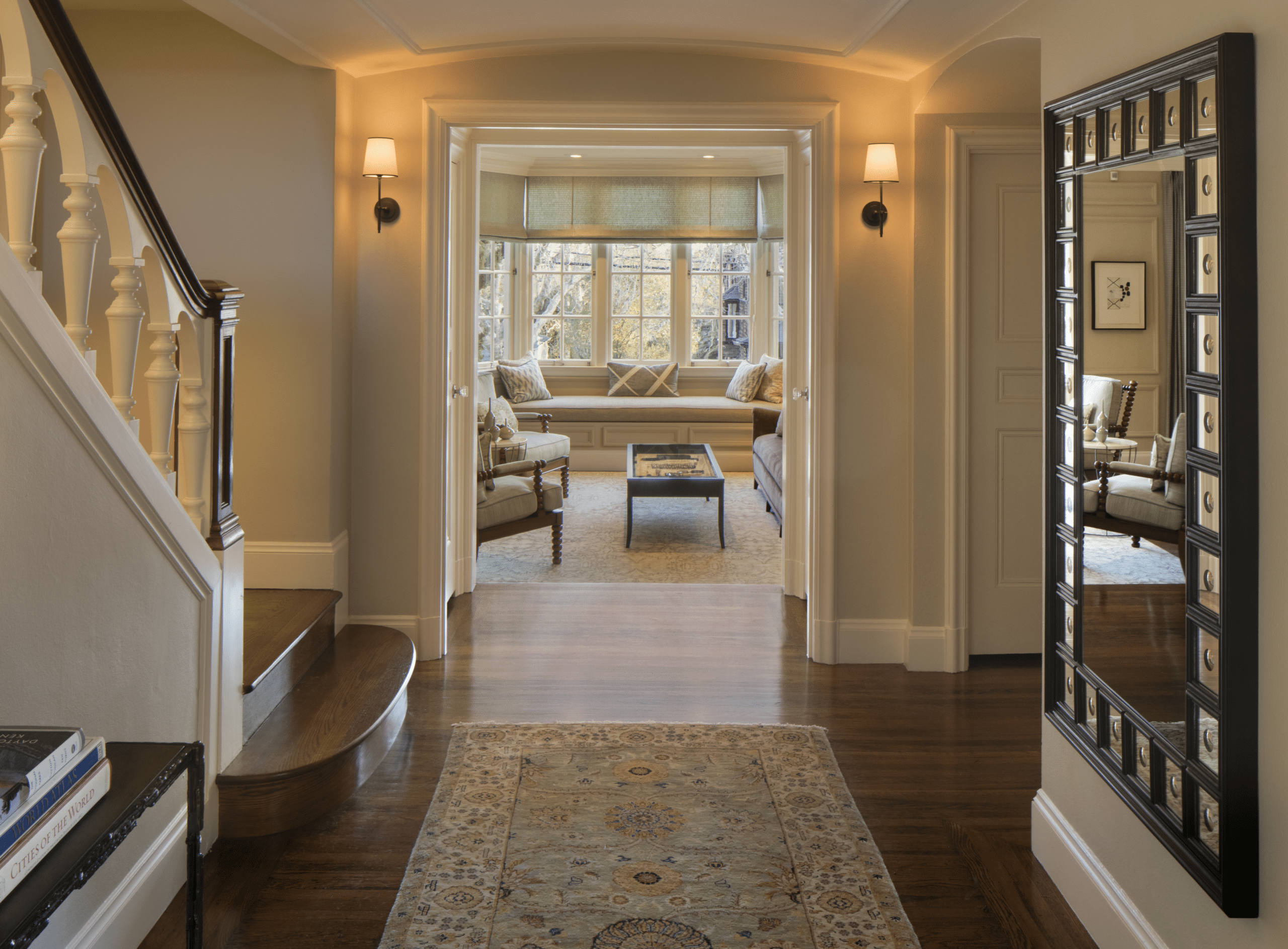
Why Paint Looks Different When It Is Wet
When paint first goes on the wall, it still contains a high amount of moisture. Water or solvents in the paint reflect light differently while the coating is wet.
As the paint dries, the liquid evaporates and the pigment settles into the surface. That process often makes the color appear deeper.
Water-based paints such as acrylic paint or latex paint tend to show this effect the most. The paint may appear slightly milky when applied, then develop its true color as it dries.
This is completely normal and part of the drying process.
The Role Primer Plays In Final Paint Color
Primer has a bigger impact on color than many people realize. It creates a uniform surface so the final coat absorbs evenly. Without it, the surface underneath may affect how the color looks once the paint dries.
For example, painting over darker colors without primer can cause uneven coverage. The new color may look patchy or slightly different across the wall.
Primer also helps with adhesion, which allows the paint to bond to materials such as drywall, wood, stucco, or masonry.
A typical painting system includes:
- Surface cleaning to remove dust and debris
- Sanding with sandpaper for smoother adhesion
- Primer to seal the surface
- Two coats of finish paint
With this system in place, the final color dries more consistently.
Lighting Changes How Color Looks
Lighting is one of the biggest reasons homeowners question does paint dry darker or lighter. The same color can appear completely different depending on the light source.
Natural sunlight tends to show the most accurate version of the color. Interior lighting, on the other hand, can shift the appearance.
Different light sources may cause colors to look warmer or cooler.
Common lighting effects include:
- Warm bulbs can make colors look slightly yellow or golden
- Cool LED lighting can make colors appear more gray or blue
- Dim rooms can make colors appear deeper or darker
Because of this, a color that looks perfect in one room may appear different in another.
Paint Finish Also Affects Color Appearance
Another factor that affects how paint dries is the sheen level. Paint sheen refers to how reflective the finish is once the coating dries.
Different sheens reflect light in different ways. Here is how they generally affect color:
- Flat or matte finishes absorb more light and can make colors appear slightly softer
- Eggshell finishes provide a balanced look with mild reflection
- Satin finishes reflect more light and may make colors appear brighter
- Gloss or semi-gloss finishes reflect the most light and can deepen the look of color
Because gloss finishes reflect more light, some colors may appear slightly richer once the paint dries.
Surface Material Can Change The Final Look
Paint behaves differently depending on the surface it is applied to.
Materials such as drywall, wood, concrete, brick, and metal absorb paint differently. That can affect how the color looks once the paint dries.
For example:
-
Wood surfaces may absorb paint unevenly without primer
-
Concrete or masonry can darken paint slightly because of their porous texture
-
Smooth drywall tends to show the most accurate color
Surface preparation also plays a role. Dust, rust, or mildew can affect how paint bonds and how the final coat appears.
This is why professional painters clean surfaces and repair issues before applying paint.
Why The First Coat Often Looks Different
The first coat of paint rarely shows the final color.
After the first coat, the surface may still show through slightly. That can make the color appear lighter or uneven.
The second coat allows the pigment to build and reach its true depth.
That is another reason people ask does paint dry darker or lighter. The change often happens between coats, not just during drying.
Two coats of paint provide:
- Better color consistency
- Improved durability
- Stronger protection for surfaces
This is standard practice for most interior and exterior painting systems.
What Experienced Painters Watch For During Drying
Professional painters watch the drying process carefully.
They look for signs that the coating is curing evenly and bonding correctly to the surface.
During drying, they check:
- Coverage consistency
- Surface texture
- Color development
- Adhesion to the substrate
If the paint appears streaky or uneven, additional coats may be applied once the previous coat has dried.
This process helps the color develop properly and reduces the chance of early failure.
Understanding Paint Color Changes Before A Project Starts
Most homeowners are surprised the first time they see wet paint on a wall. The color often looks slightly lighter at first, then deepens once it dries. That is why the question does paint dry darker or lighter comes up so often.
Once the paint has fully dried and cured, the final color becomes stable.
At that point, lighting and sheen become the main factors affecting how the color appears. Knowing this ahead of time helps avoid confusion when the first coat goes on.
Final Thoughts On Does Paint Dry Darker Or Lighter
Understanding does paint dry darker or lighter helps homeowners feel more confident about their color choices. Paint often looks lighter while wet and develops its true color once it dries and cures.
At Arana Craftsman Painters, our approach focuses on preparation, durability, and consistent results.
Our painting process includes:
- Inspecting surfaces like drywall, wood, brick, and concrete
- Cleaning and sanding surfaces to remove dust, rust, or mildew
- Applying the correct primer to improve adhesion and color consistency
- Applying multiple coats of high quality acrylic paint for full coverage
- Final walkthrough and cleanup so your home looks its best
If you are planning an interior or exterior painting project, our team is here to help.
Contact Arana Craftsman Painters today and call 510-405-3279 for a FREE estimate.